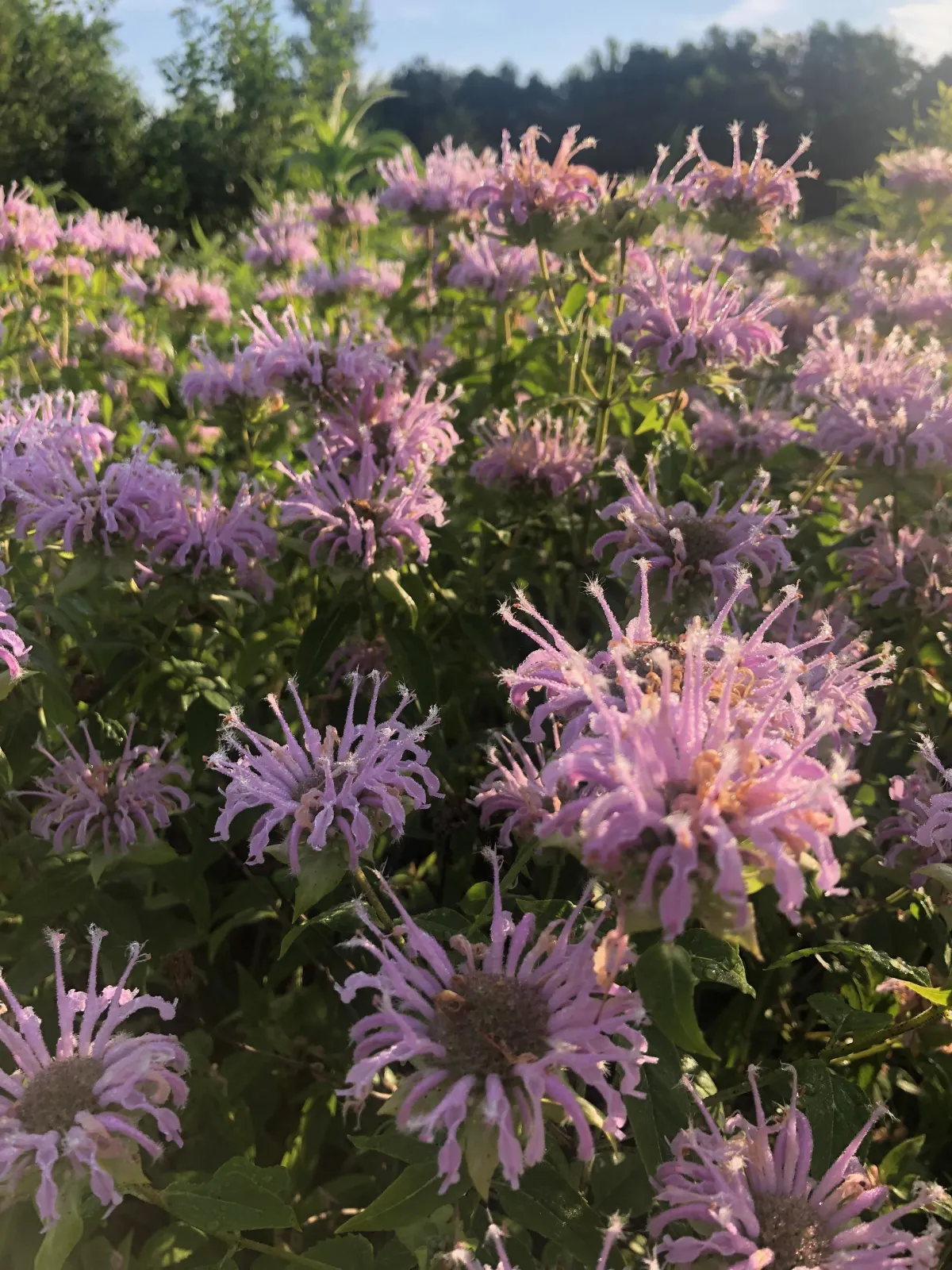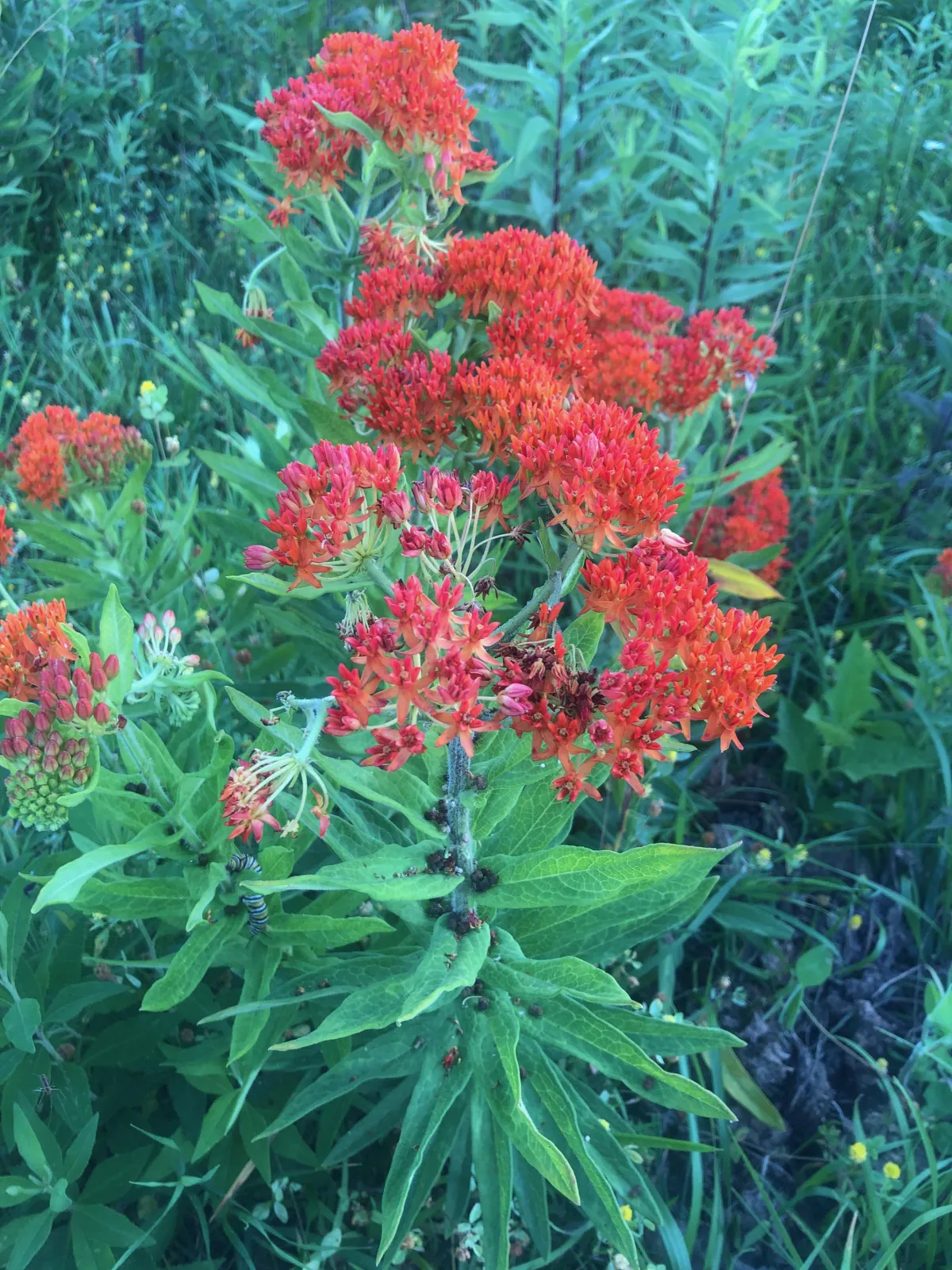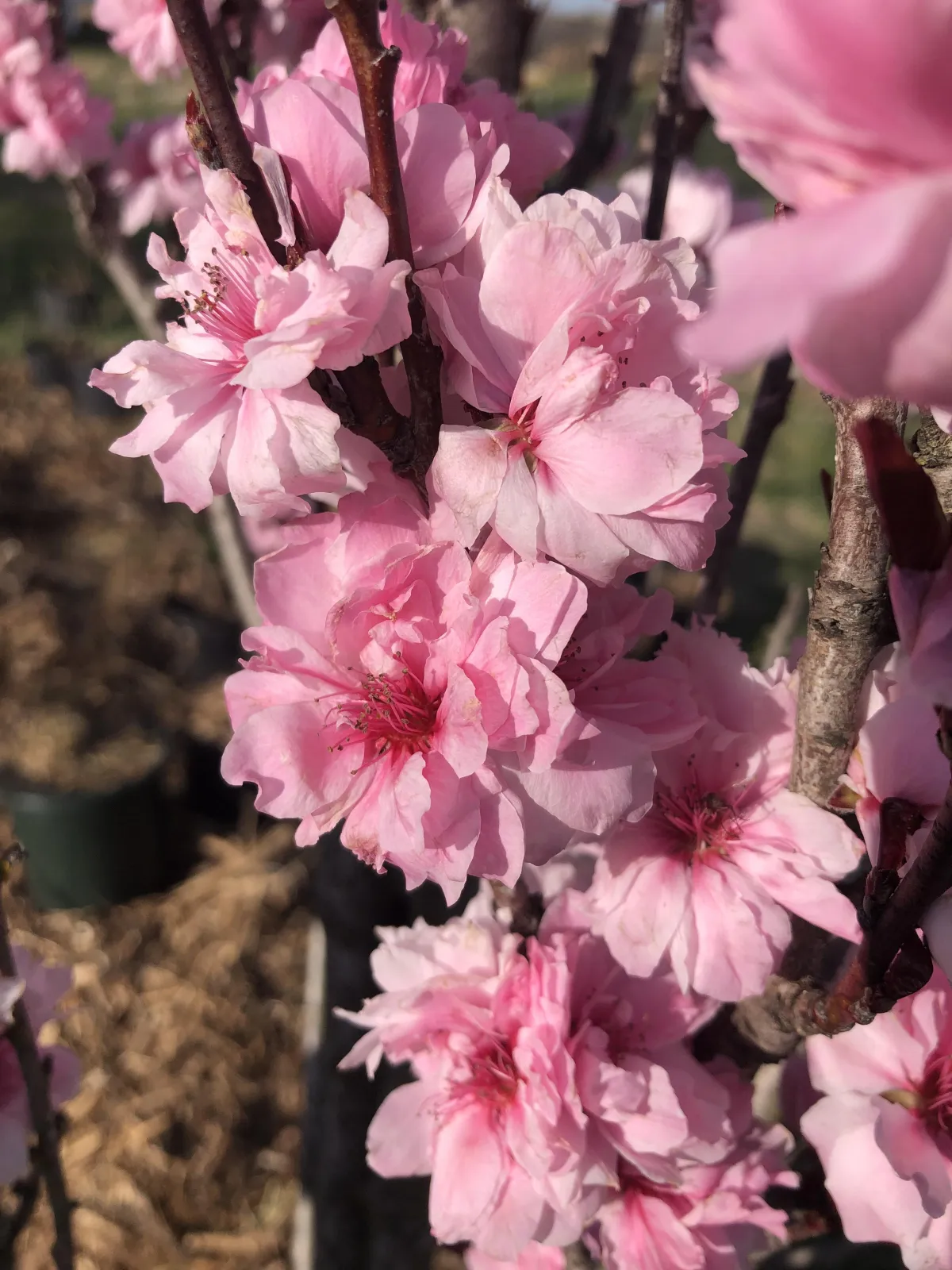
Pollinator Gardening as Your Seasonal Living Gateway
A pollinator garden is a garden specially designed to attract local pollinators, including butterflies, bees, birds, and more, to your yard. It ideally includes all native plants, or plants that grow naturally as part of the ecosystem in your area.
A pollinator garden can be a designated zone in your yard or it can be integrated throughout your landscaping and vegetable or herb gardens. It can mimic the way nature would design the landscape with the specific plants you choose, or it can be heavily landscaped and designed into something more curated.
Regardless of how you plan and implement a pollinator garden, one thing is for certain: it will benefit the native ecosystem that you live within. Typical lawns are considered ecological dead zones, or areas where native plants, insects, and the entire food chain that relies on them cannot thrive. Sure, lawns have some bugs and birds, but when you compare a lawn to the natural system that existed before the lawn was installed, it quite literally looks dead.
Establishing a pollinator garden in your yard is an active decision to support the natural ecosystem that you call home. And, it's a gateway to seasonal living because it provides a living observatory where you can examine and reflect on nature's rhythms right at your own home.
Pollinator Gardening as Your Seasonal Living Gateway
Seasonal living is the practice of leaning into the gentle cycles of nature by adjusting your activities and day to day rhythms to reflect those cycles. For moms, it can be as simple as getting outside on a daily basis with your kids, observing what's going on in nature, and reflecting on whether your day to day feels in alignment with that same energy.
When nature feels hard to come by or like it's somewhere else, seasonal living can feel out of reach too. Your pollinator garden is at home, easy to maintain, and gets you outside on a regular basis. It attracts native insects and arthropods, which in turn feed higher levels of your ecosystem. You might even start to notice more friendly wildlife like songbirds opting to nest on your property because of the small haven you've created.
The pollinator garden opens the doors for seasonal living for your family. Activities like catching and observing insects in small observation jars, creating a sit spot where everyone can draw or journal on what they see each day from a single spot, and working together to decide which new plants to bring into the garden based on which animals you want to see become part of an exciting daily routine. Depending on where and how you set up your garden, it could even be a focal point around which you sip your morning coffee, eat dinner on nice evenings, or entertain guests.
When you integrate nature into your life, even in your own yard, you begin to repair the connection that we have lost as a society to our most critical resource, supporter, and home. Over time, making small eco-friendly swaps in your home becomes a no-brainer. Choosing family outings that introduce the family to the natural world feels like an easy yes. And selecting to take winter a little slower to honor the season of rest feels warm, cozy, and right.
Just a simple pollinator garden can unfold into a life well-connected to nature that feels simple, calm, and in greater coherence with how we were meant to live all along. Are you convinced to plant your pollinator garden? Keep reading for how to get started.
Establish Your Pollinator Garden
Plan It Out
I always love to start with a little daydreaming about how I want my pollinator garden to look. I'm working on converting a space in my yard, but since it's rather large, I am doing it in phases. I have a general idea of what the finished design will look like, but I often find myself reimagining what the space will look and feel like as I observe the parts I've already completed growing in and plan which sections I'll complete next.
At a minimum, head out into your yard and decide where you'd like to install your pollinator garden and have a general ideas of how you'd like it to look. For example, would you rather have a more landscaped look, or would you like it to look a little more wild? If it's a larger area, consider whether you'll prepare and plant the entire space in one year or if you can do sections to reduce overwhelm.
Another consideration for your pollinator garden is the kind of animals you want to attract to your yard. If you love butterflies, your plant selection may be different than someone who really wants to see hummingbirds. Maybe you'd like a pollinator garden that attracts a wide variety of species. Make the decision now to support your plant selection later.
You don't have to have everything totally planned out to get started. Focus on the location, the general design, and the types of pollinators you might want to attract. Don't let this step stop you from taking action on the installation process!
Prepare the Site
Start by mowing the grass as short as you can get it in the area where your pollinator garden will go. Lay large pieces of cardboard (I collect it from shipments we get to our house and from the office cardboard recycling bin) over the entire space you wish to convert. Then, add 3-4 inches of mulch on top of the cardboard.
This site preparation method smothers the grass so you can plant native plugs into the space. You can technically start this process at any point, but it's best to have the site covered for a few months before planting. Planting typically occurs in the spring or fall. Continue to monitor the area after you lay the mulch, as grass is tenacious and can come back over the cardboard, especially in areas where individual cardboard pieces overlap.
I like to use cardboard with no plastic coating and try to remove the packaging tape and any labels from the outside of the cardboard to prevent any plastics from leaching into the soil. Standard brown cardboard will break down completely and provides additional organic matter to the area you are planting. The dead grass beneath the cardboard and the mulch on top will also break down over time (the mulch much slower than the other two), providing an ideal growing medium for your new pollinator garden.
Select Your Plants
Explore online, at your local library, or at your local native plant nursery to identify some plants you'd love to see in your own yard. A native plant nursery is an ideal location to discuss specific plants that would work well for the site you've prepared based on the site's soil and sunlight because the staff are incredibly knowledgeable. They can also let you know which native plants are most likely to attract the types of insects and birds you want to see.
I discourage searching for plants at box stores like Home Depot because many plants labeled as pollinator plants are not native and in fact not as supportive of pollinators as they seem. For example, they might offer a nectar source for a small handful of native butterflies, but provide a food source for no native butterfly caterpillars. That means that although some butterflies might stop by to taste a little nectar, they won't lay eggs in your yard, reducing the impact of your garden substantially.
Some books, like Bringing Nature Home by Doug Tallamy (recommended in my nature books blog post) have plant lists by region that you can use as a starting point. Online resources like Native Plant Finder can also point you in the right direction for your area.
Establish Your Garden
At this point, you have a general idea of what you'd like your garden to look like, you've prepared the site, and you've determined which specific native plants you want to start with. It's time to plant!
I recommend digging plant holes through the mulch and cardboard and planting plugs or seedlings. Seeds may not germinate if thrown directly onto mulch, but you can always talk to your nature plant nursery staff to understand options for your area.
Most plants are happy to be transplanted into your yard in the spring or fall. In spring, they will work to establish their root system, then transfer energy into their above-ground biomass. Plants placed in fall can establish their root system before going dormant for the winter.
Don't be discouraged if plants remain small or don't flower during the first year. Native plants are literally designed to live in your ecosystem and they know best how to set themselves up for success. Work with native plant nursery staff or research on your own the best time to plant each species.
As your garden fills in, you can add more native plants, features like birdbaths, spaces to sit and enjoy, or expand into other areas of your yard.
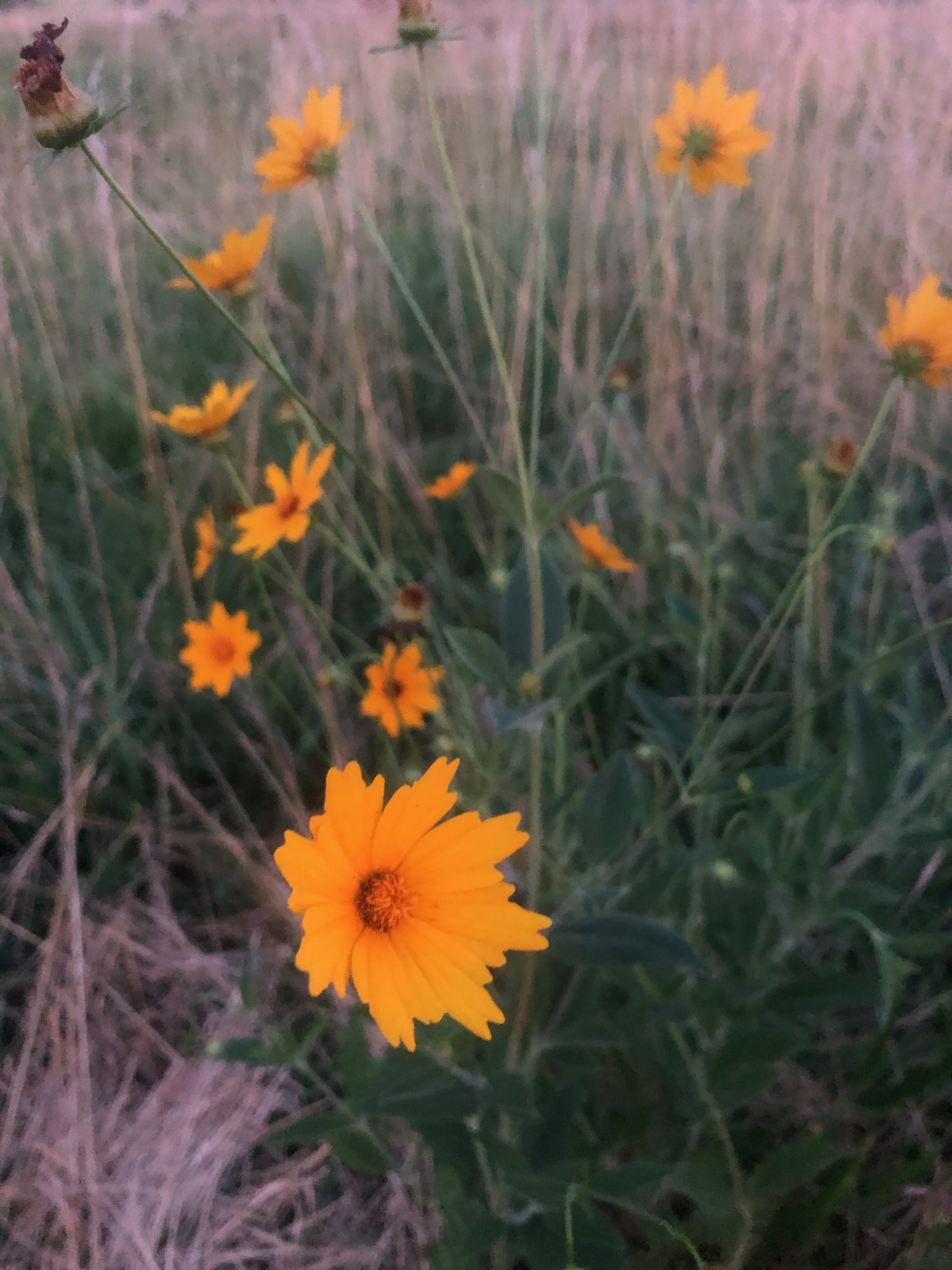
When you install a pollinator garden in your yard, you are not only opting to support nature (a key component of leaning into the seasonal lifestyle), you are gifting yourself and your family an incredible opportunity to observe, understand, and reflect upon nature's rhythms.
Seasonal Living and Yoga Resources for Moms
The online yoga studio for busy, working moms seeking a slower way of life offers monthly pre-recorded yoga and meditation you can use to sink into a slower pace, plus a slow down framework where you can restructure your most overwhelming challenges into peaceful, rhythmic routines that support you and your family.
Two-minute Reset Meditations for Routine Calm Days includes ten completely free two-minute meditations for you to capture a moment of calm right now, without spending an hour at the yoga studio or taking paid leave.
The Mama Naturalist on my website and Substack is a space where I share both conceptual and practical guidance on slowing down, connecting to nature, and living seasonally.
Mindful Moms Digest offers exclusive yoga and meditation classes, nature stories from a wildlife biologist (me!), and free, supportive resources including links back to every blog post for busy, working moms journeying toward a slower, more seasonal way of life.
Cultivate Calm Mornings is a structured series of three yoga workshops that supports you in transforming your morning routine from chaotic to calm.